In "The Rise and Fall of the American Teenager," Thomas Hine argues that the
discourse surrounding the word “teenager” creates a “mystique” around
adolescents (A word that brings an image of a different "problem with no name"). This mystique has multiple facets:
First, there is the idea
that teenagers have nothing of importance to say and their actions don’t count (15).
This is extremely important because not only does it undermine an adolescent’s self-empowerment,
but it will also teach teens that their actions have no real or lasting
consequences because they aren’t technically adults.
Another aspect is the belief that
teenagers are not fully developed people. While Hine does not necessarily disagree
with this idea completely (he does believe that this stage in life leaves room
for change and growth), he does believe that efforts to ‘perfect’ teenagers are
too harsh (20). This belief that
teenagers are not yet people, again undermines the potential power that
teenagers might hold. It dismisses thoughts and ideas as invalid because they “don’t
count yet.” Additionally, the idea that one can change a teen by imposing ideas
onto them, it wrong. It will work. However, this is not unique to this age
range, it will work on any person if they hear it often and long enough.
Finally, and potentially most
importantly, that all of the discourse surrounding “teenagers” is conflicting (11).
Again this is the idea of teenagers are being tugged in different directions,
between treatment and expectations. The examples that Hine uses in the article
are sex and money. That images are imposed on teenager by the media that expect
them to go shopping or show them in a sexualized lens, yet teenagers are
expected to stay out of the work force (which means no money of their own) and
stay abstinent until marriage. These contradictions again oppress teens because
cannot do both. Meaning, that teens will have to disappoint someone, and feel
the repercussions (I mean who didn’t feel worse when parents said “I’m so disappointed
with you,” as opposed to “I’m so mad at you”).
All put together, the conclusion fits
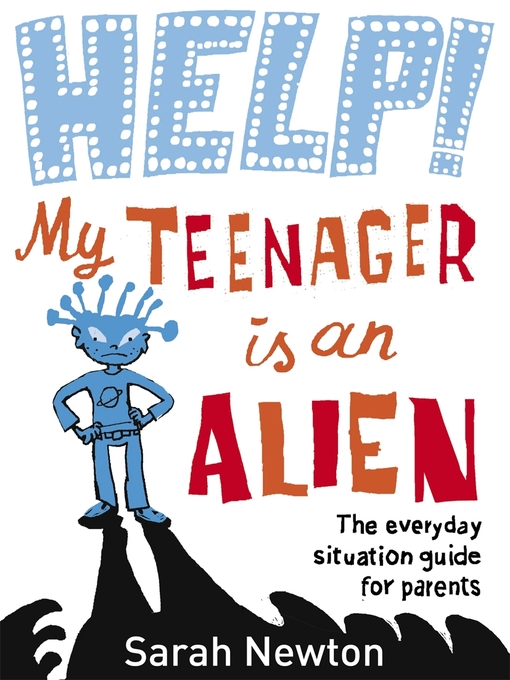
into attempting to view the teenager as something other than an “alien” or an “Exotic
Species” (3). He sees these the
culmination of the mystique as making teenagers into an “Other.” With this
writing, Hine wants to disband this teenage mystique and maybe help teens
create meaning in their lives on their own terms.
Questions For Class:
The piece that stuck out to me the most was the when Hine was talking about teens' actions being viewed as inconsequential, and that was a major underlying reason for horrific incidents involving teens. He used the example of a teenage girl throwing away her infant on prom night, the image I imagined was something closing to Columbine, or suicide. Teens who feel so disempowered as to take drastic measures...
What Images or events did it remind you of?
The piece that stuck out to me the most was the when Hine was talking about teens' actions being viewed as inconsequential, and that was a major underlying reason for horrific incidents involving teens. He used the example of a teenage girl throwing away her infant on prom night, the image I imagined was something closing to Columbine, or suicide. Teens who feel so disempowered as to take drastic measures...
What Images or events did it remind you of?